Why e-Boks is building e-Wallet
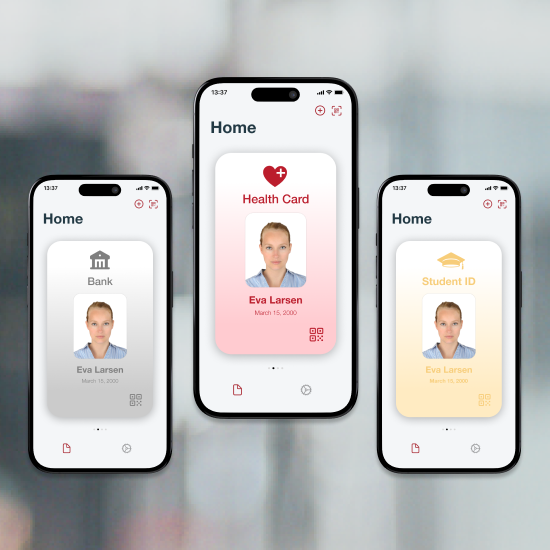
The EUDI Wallet is the EU’s framework and requirement. e-Wallet is e-Boks’ practical solution that fits into that direction, giving organisations a way to request and validate verified credentials in real user journeys.
In other words, the regulatory story is the backdrop, but the real question is what businesses can actually do with it. That is where implementation matters. It has to be secure, user friendly, and realistic to integrate into existing services.
“eIDAS 2.0 sets the direction, but organisations still need solutions that are practical to integrate and easy to use. The winners will be the ones who make high assurance feel effortless.”
The promise is not that every process becomes perfect overnight. The promise is that the repetitive, fragile parts of identity work can finally be standardised in a way that scales.
When real use cases start to appear
A common misconception about digital identity wallets is that they are mainly about storage. A place to keep credentials, maybe a digital version of what you already carry. That is the least interesting part.
What changes things is the ecosystem around issuing and verification. Once credentials can be issued, shared, and verified through a common approach, new flows become possible without reinventing the wheel each time.
“The most exciting part is how quickly real use cases appear once the foundation is in place. Verified student ID, age verification, secure credential sharing, and then step by step into more services.”
It is no accident that education and age restricted commerce are often early examples. They share a common challenge: you need to verify something quickly, you need to trust the result, and you want the user experience to stay smooth. The wallet is well suited to that kind of moment.
“A wallet is more than storage. It is an ecosystem for issuing and verifying credentials, so trust can move with the user from service to service, and from country to country.”
This is also why the conversation is shifting from “what is a wallet?” to “what can we enable once wallets are normal?”. The first question is product language. The second is infrastructure language.
A Danish pilot, a European direction
The partnership between e-Boks and dewa is built around making that infrastructure practical. One of the clearest signals is when a concept moves into real life. At DTU, a pilot project is exploring how students can receive a digital student ID directly in the app and use it in everyday contexts. The point is not just student convenience. It is proof that verified credentials can be issued and used in flows that matter.
That is how adoption tends to happen. Not through grand launches, but through everyday moments where a new approach is simply better than the old one.
The bigger story for organisations
It is tempting to treat eIDAS 2.0 as another regulatory milestone to monitor. But that misses the more strategic angle. The wallet model changes what users will come to expect, especially in services where trust and verification are central.
When people can prove who they are, or prove a specific attribute, without sharing an entire identity file, the experience feels both safer and easier. When organisations can rely on verified credentials instead of manual checks, processes become faster and more consistent. When the same approach can work across borders, the operational complexity starts to fall.
That is why this shift is worth paying attention to now. Not because the deadline is approaching, but because the model is changing, and models tend to change markets.